plumbers
Drain Cleaning Cost in Brooklyn, NY: 2026 Prices for Snaking, Jetting, and Main Line Backups
Drain cleaning cost in Brooklyn, NY for 2026: snaking, main line and house trap pricing, hydro jetting, root removal, and when lining beats another clearing.
In This Article
Drain Cleaning Cost in Brooklyn, NY: 2026 Prices for Snaking, Jetting, and Main Line Backups
Clearing a single slow sink, tub, or toilet in Brooklyn, NY runs $175 to $400 in 2026. A main sewer line backup costs considerably more, generally $350 to $750 when there is an accessible cleanout and $500 to $1,000 when the plumber has to work through a roof vent or pull a house trap.
The spread between those numbers has almost nothing to do with the clog itself. It comes from access, and access in Brooklyn means a century-old cast iron stack in a brownstone, a shared line under a four-family building, or a basement floor that was poured over the cleanout in 1978.
Emergency timing is the other multiplier. A Sunday night call with sewage backing into a basement typically bills at one and a half to two times the weekday rate, and most companies add a $100 to $250 after-hours dispatch fee on top. Calling at 8 a.m. Monday saves real money when the situation allows it.
What Basic Drain Snaking Costs
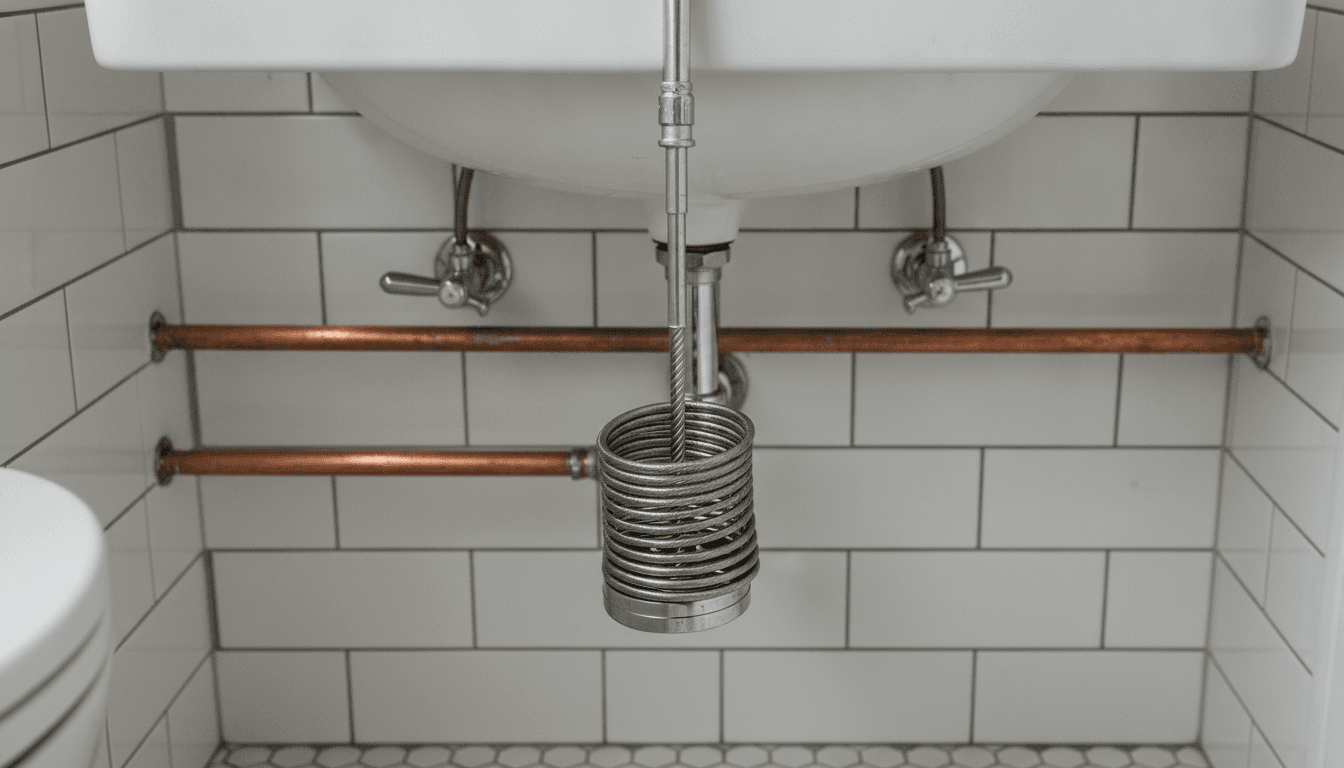
A kitchen sink clogged with grease is the most common call in the borough, and a plumber running a small drum machine through the trap arm clears most of them in under an hour. Expect $175 to $350 including the service call.
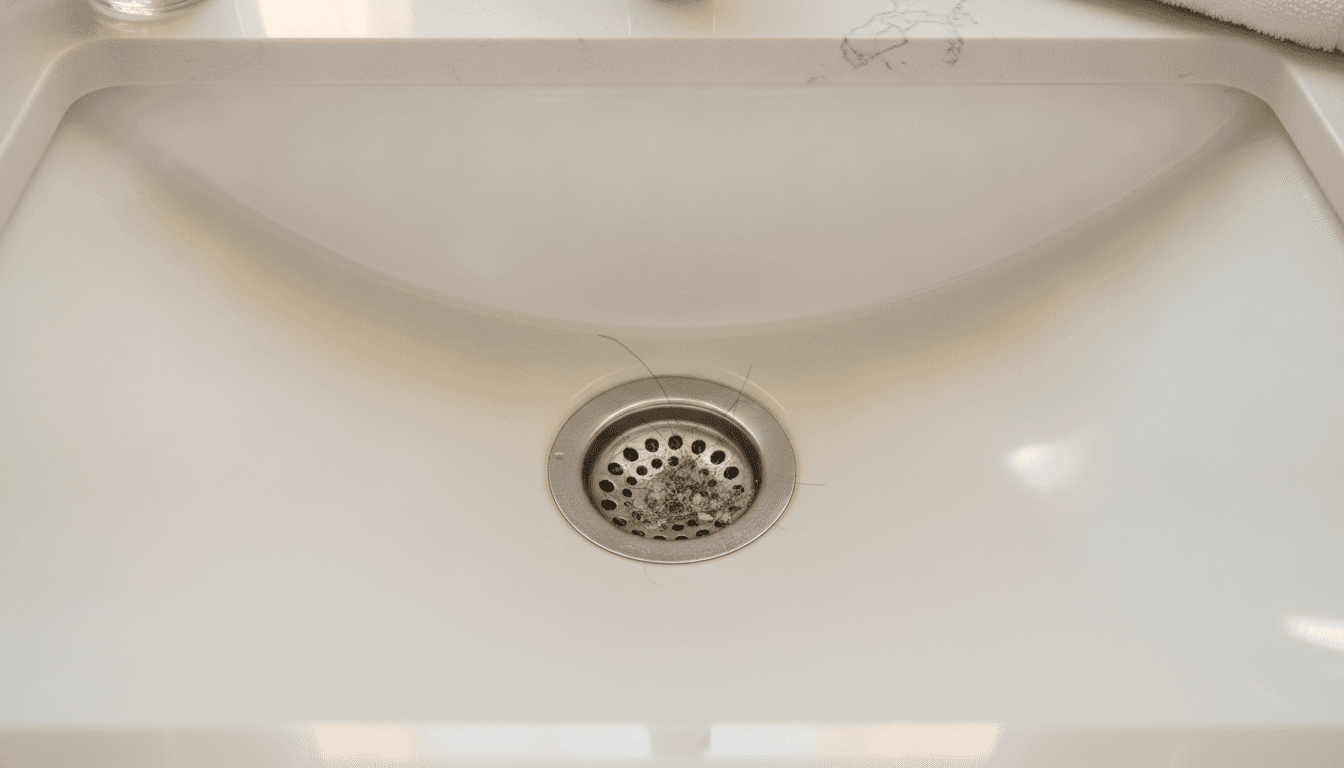
Bathroom fixtures price similarly. Tub and shower drains full of hair run $175 to $325, bathroom sinks land at $150 to $300, and a toilet cleared with a closet auger sits at $175 to $375 depending on whether the fixture has to be pulled. Pulling and resetting a toilet adds $100 to $200 and a new wax ring.
Floor drains in basements are their own category. Many Brooklyn basement floor drains tie into the house trap area, so a clog there often means the problem is downstream rather than in the drain itself, and a plumber who snakes only the floor drain is treating a symptom.
Most companies charge a diagnostic or trip fee of $75 to $150 that gets credited toward the work. Ask whether it is credited before the truck rolls, since some outfits keep it regardless of the outcome.
Main Line Backups and Why Brooklyn Prices Higher
When every fixture in the building drains slowly at once, or when water rises in the basement shower while the washing machine runs, the main line is the problem. Clearing it through a proper cleanout with a large sectional machine runs $350 to $750.
Access is what changes that number. Brownstones and prewar buildings frequently have no exterior cleanout, and the interior one is behind a finished wall, under a boiler, or buried under a poured slab. Locating and opening access adds $200 to $600 before any cable goes in the pipe.
The house trap is a Brooklyn signature. Older buildings here have a U-shaped trap in the main drain near the front of the basement, usually with two access plugs, and that trap catches everything from wipes to grease to a lost dish rag. Pulling and clearing a house trap is messy work and prices at $400 to $900.
Many plumbers recommend removing the house trap entirely and installing a straight cleanout, which prevents the repeat backups but requires a permit and a licensed master plumber. That job runs $2,500 to $6,000 depending on how much concrete has to come up.
Cast Iron and Its Age
Most Brooklyn buildings older than the 1970s still have cast iron drain and waste piping. Cast iron scales on the inside over decades, and that rough interior grabs paper and grease the way new PVC never does, so a building can need annual maintenance snaking simply because the pipe is rough.
Scale buildup is also why a cable clears a line one month and the same line backs up the next. The cable punches a hole through the blockage without removing the buildup on the pipe wall, which is the argument for jetting on an older line.
Hydro Jetting and Camera Inspection
Hydro jetting pushes water through the line at high pressure and scours the pipe wall clean instead of just punching through. Residential jetting in Brooklyn costs $600 to $1,500, with grease-heavy kitchen lines and restaurant-adjacent buildings at the top of that range.
Jetting is not for every pipe. A cast iron line that has thinned from decades of corrosion can be damaged by high pressure, which is why a competent plumber runs a camera first and reports what the pipe looks like before recommending it. Anyone who quotes jetting without inspecting is guessing.
Camera inspection runs $250 to $600 as a standalone service, and many companies credit part of it toward repair work. The video should show you the pipe material, the location and depth of any defect measured from the access point, and whether roots or a belly are present.
Ask for a copy of the footage. Sellers, buyers, and co-op boards all end up needing it, and a plumber describing a crack verbally is not the same as a recording with a footage counter on screen.
Tree Roots and Clay Laterals
The lateral running from a Brooklyn building to the city main is often vitrified clay on anything built before the 1950s. Clay joins in short sections with joints every few feet, and roots find those joints wherever there is a street tree nearby.
London plane trees line a large share of the borough's residential blocks, and their roots are aggressive. A root-clogged lateral cleared mechanically with a root-cutting head runs $450 to $900, and it is a recurring service rather than a permanent fix.
Roots come back on a schedule. Buildings with a known root problem typically get on an annual or semiannual maintenance clearing at $350 to $600 a visit, which is cheaper than the alternative and far cheaper than a basement flood.
Chemical root treatments applied after a mechanical clearing run $150 to $400 and slow regrowth. They do not repair the joint that let the roots in, so treat them as maintenance rather than repair.
When Cleaning Is Not Enough
A camera that shows a collapsed section, an offset joint, or a belly holding standing water means you are past cleaning. Trenchless pipe lining, where a resin liner cures inside the existing pipe, runs $6,000 to $18,000 for a typical residential lateral in Brooklyn depending on length and access.
Open excavation costs more here than almost anywhere. Digging under a sidewalk or into the street requires permits from the city, sidewalk restoration, and often a plate over the trench overnight, and full replacement of a lateral commonly lands between $9,000 and $25,000.
Spot repairs are cheaper when the defect is short and inside the property line. A single section replaced in a basement or a front yard runs $3,500 to $9,000, and the deciding factor is depth and what sits above the pipe.
Get a second opinion before authorizing excavation. Two experienced plumbers watching the same camera footage sometimes reach different conclusions, and the gap between a $600 jetting and a $15,000 dig is worth a second visit.
Licenses, Permits, and Building Rules
Plumbing work in New York City has to be performed under a Licensed Master Plumber, and permits for anything touching the house drain, the trap, or the sewer connection get filed with the Department of Buildings. Routine drain cleaning does not require a permit; cutting into the drain does.
Ask for the license number and confirm the company name matches it. A drain cleaning outfit and a licensed plumbing company are not always the same business, and once your problem crosses from clearing to repair you need the second one.
Co-ops and condos add another layer. Most buildings require a certificate of insurance naming the corporation and the managing agent before any contractor works in the building, and some require board approval for work inside walls. Start that paperwork the day you suspect a repair is coming.
In multi-family buildings, responsibility splits between owner and occupant depending on where the clog sits. A blockage in a branch serving one apartment is usually the unit's problem while a main line issue belongs to the building, so document which fixtures are affected before you call. Getting quotes from two or three licensed plumbers working in Brooklyn on identical scope keeps an outlier bid visible, and our New York home service cost guides walk through the same comparison for other trades.
Common Questions About Brooklyn Drain Cleaning Prices
Why did the plumber charge more than the phone quote?
Phone quotes assume an accessible cleanout and a simple cable job. Opening a wall, pulling a house trap, or working through a roof vent are all separate line items, which is why a written price after a look at the basement is worth more than a number over the phone.
How often should an old Brooklyn building be snaked?
Buildings with cast iron mains and street trees out front commonly go on a yearly maintenance clearing, usually in fall before leaves and holiday cooking grease pile up. That $400 visit prevents the $2,500 water cleanup.
Is drain cleaning covered by homeowners insurance?
The cleaning itself is not, since it counts as maintenance. Water damage from a sewer backup may be covered if you carry a sewer backup endorsement, which is an inexpensive add-on many Brooklyn owners skip.
What causes most kitchen line clogs here?
Grease that cooled and hardened inside a rough cast iron pipe, combined with coffee grounds and food scraps. Wiping pans before washing and keeping a grease can under the sink does more for a prewar line than any drain product sold in a store.
Can I use a chemical drain cleaner first?
Store products rarely clear a real blockage and they sit in the trap where they can damage older cast iron and burn a plumber's hands during the actual repair. Tell the plumber if you used one so the crew can protect themselves.