plumbers
Sewer Backups and Basement Flooding in New York: Causes, Costs, Prevention
Sewer backups in New York cost $2,500 to $15,000 to clean up and repair. Causes from combined sewers to roots, cleanup and lateral costs, and prevention that works.
In This Article
Sewer Backups and Basement Flooding in New York: Causes, Costs, Prevention
A sewer backup in a New York basement costs $2,500 to $15,000 to clean up and repair, and that range does not include whatever was stored down there. The cleanup alone, meaning water extraction, disinfection, and removal of contaminated drywall and flooring, runs $2,500 to $7,000 for a typical finished basement in Queens or Westchester. Fixing the cause adds anywhere from $350 for a drain snaking to $12,000 or more for a sewer line replacement.
New York has more of this problem than most states. The five boroughs run on combined sewers that carry stormwater and sewage in the same pipe, so a heavy summer storm can push the system backward into homes. Older suburbs in Nassau, Westchester, and upstate cities like Buffalo and Rochester have clay sewer laterals from the 1920s to 1950s that roots and shifting soil have been working on for decades.
Here is what causes backups across the state, what the fixes cost, and what prevents the next one.
Why New York Basements Flood
Combined sewer overflow is the big one in New York City. When rain falls faster than the system can move it, the main sewer under the street fills, and water follows the path of least resistance into the lowest connected drains, which are basement floor drains and toilets. Neighborhoods in southeast Queens, the Gowanus and Red Hook areas of Brooklyn, and parts of the South Bronx see this every few years, and the remnants of Hurricane Ida in 2021 showed how fast it can happen.
Tree roots are the leading cause in the suburbs and upstate. Clay and cast iron laterals have joints every few feet, and roots from the maples and oaks that line streets in Scarsdale, Garden City, and the Buffalo suburbs find them. Once a root mass fills the pipe, a normal load of wastewater backs up into the house.
Grease and wipes are the most avoidable cause. Flushable wipes do not break down, and they combine with cooking grease to form clogs in both private laterals and city mains. New York City's Department of Environmental Protection spends millions a year clearing them.
Broken or collapsed pipes come from age and soil movement. Orangeburg pipe, a tar-paper product used in the 1950s and 60s in some Long Island and upstate subdivisions, deforms and collapses after 50 years, and cast iron rusts from the inside. Either failure means water cannot leave, and it comes back up.
Groundwater and surface water are a separate category that gets confused with sewer backups. High water tables in coastal Long Island and low-lying parts of Staten Island push water through foundation cracks and floor seams. That is a waterproofing problem, not a sewer problem, and it needs a different fix.
What Cleanup Costs After a Backup
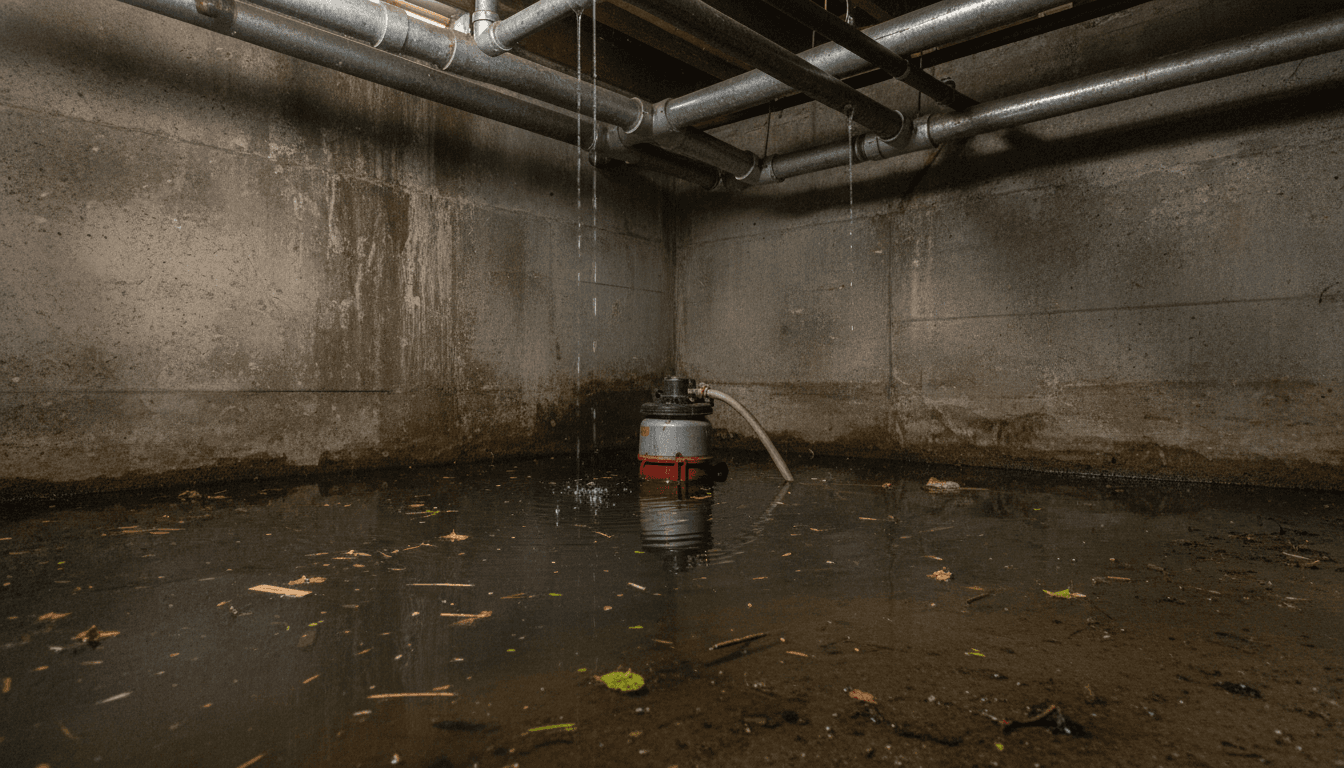
Sewer water is classified as Category 3, or black water, and cleanup companies treat it as a biohazard. Extraction, antimicrobial treatment, and drying of an unfinished basement runs $1,500 to $4,000 in the New York metro area. Upstate prices run about 20 percent lower.
A finished basement is where the cost climbs. Drywall that touched sewer water has to be cut out at least 12 inches above the water line, carpet and pad are discarded, and laminate or engineered wood floors almost never survive. Cleanup with demolition runs $4,000 to $10,000, and rebuilding the finished space adds $10,000 to $30,000 depending on size and finish level.
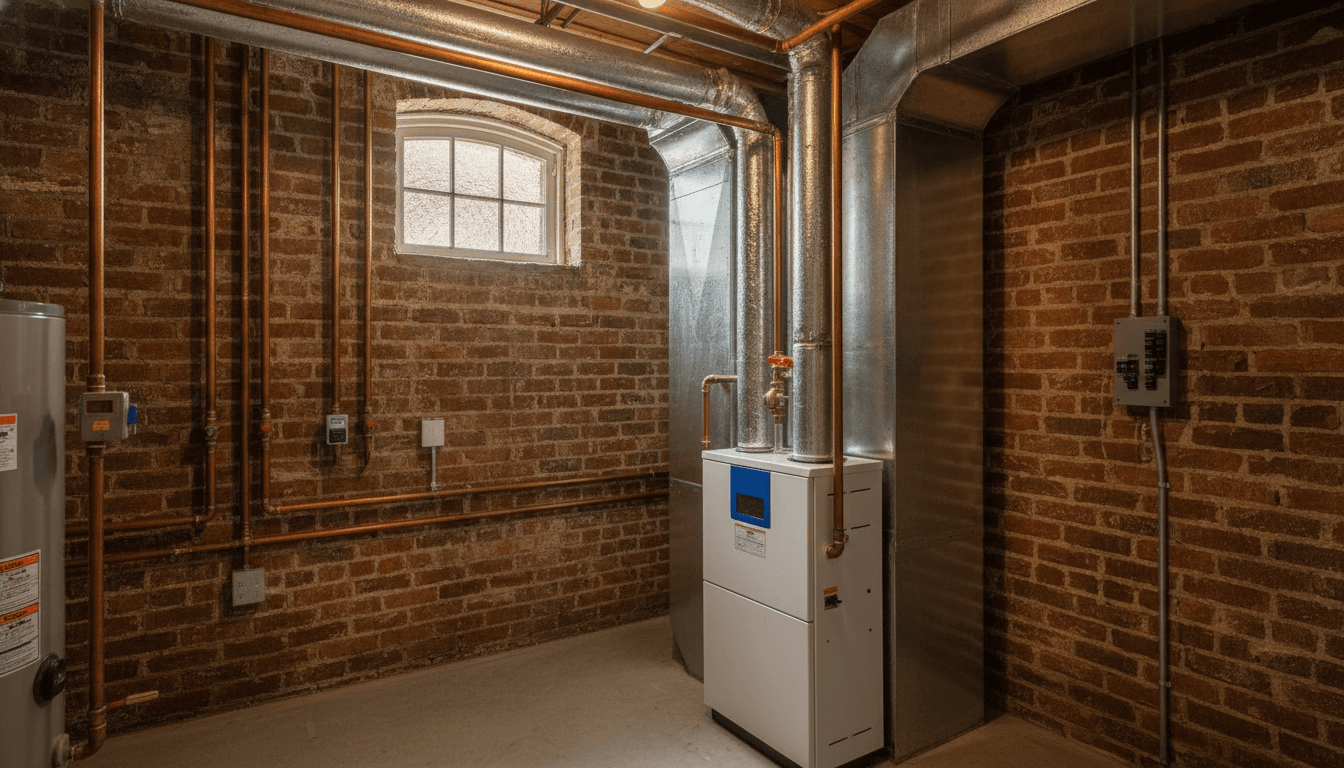
Contents are the hidden line. Furniture, stored boxes, a washer and dryer, and a furnace that took on water can push a claim past $20,000 quickly. Boilers and water heaters in New York basements are especially exposed because they sit on the floor.
Homeowners insurance does not cover sewer backup by default. Most New York policies require a separate endorsement, called sewer and drain backup coverage or water backup coverage, which costs $50 to $250 a year for $5,000 to $25,000 in coverage. Ask your agent whether you have it before the storm, because the answer is often no.
Repair Costs for the Cause
Drain snaking or cabling to clear a root or wipe clog runs $250 to $600 in New York City and $200 to $450 on Long Island and upstate. It is a temporary fix for roots, which grow back in one to three years.
Hydro jetting, which uses high-pressure water to scour the pipe walls, runs $400 to $1,000 and lasts longer than cabling. Many plumbers recommend it every two to three years for homes with mature trees on the parkway.
A camera inspection runs $250 to $500 and is worth it after any backup. It shows whether the pipe is intact, root-infested, offset at a joint, or collapsed, and it tells you whether you need a $500 fix or a $10,000 one.
Sewer lateral replacement is the expensive answer. In New York City, replacing the house sewer from the foundation to the city main under the street runs $8,000 to $20,000 because it requires a licensed master plumber, DEP permits, street opening permits, and often police detail for traffic. On Long Island and in Westchester, a lateral replacement runs $5,000 to $12,000, and upstate it runs $4,000 to $9,000.
Trenchless pipe lining or pipe bursting runs $80 to $250 per foot and avoids digging up the yard and the street. It works well for root damage and cracks, and poorly for fully collapsed pipe.
Prevention That Works in New York Homes
A backwater valve is the single most effective device for New York City and combined-sewer areas. It is a one-way flap installed in the house sewer that closes when the main backs up, and installation runs $1,500 to $4,000 in the city and $1,000 to $2,500 elsewhere. New York City requires a DEP permit and a licensed plumber, and some areas of the city have offered rebate programs for them after Ida.
A sump pump with a battery backup handles groundwater and floor drain water. Installation runs $1,200 to $3,500, and the battery backup matters because storms that flood basements often knock out power. A water-powered backup pump is another option in homes with municipal water pressure.
Regular maintenance is cheap. Hydro jetting every two or three years, keeping wipes and grease out of the drains, and having the lateral scoped once when you buy the house prevents most of the backups plumbers see. A camera inspection at purchase is $250 to $500, and it is one of the best inspection dollars a New York buyer spends.
Grading and gutters matter for the groundwater side. Downspouts that dump next to the foundation and lawns that slope toward the house feed water to the basement, and fixing both runs a few hundred dollars.
Storm-day habits help too. In combined-sewer neighborhoods, running the dishwasher and washing machine during a heavy storm adds water to a system that is already full. Waiting a few hours costs nothing.
Who Pays and Who to Call
The homeowner owns the sewer lateral from the house to the city main in New York City and most other municipalities in the state, including the portion under the sidewalk and street. Repairs on that stretch are the homeowner's cost unless the city's work caused the damage.
New York City residents can file a claim with the Comptroller's office for damage caused by a city sewer backup, and claims have been paid after major storm events. The bar is high, and most routine backups are treated as the homeowner's problem.
For the repair itself, New York City requires a licensed master plumber for any sewer work. Outside the city, most counties and towns license plumbers as well, and a licensed plumber is required to pull the permits a lateral replacement needs. The plumbers listed for your part of New York should be able to show a license and a certificate of insurance before starting.
For cleanup, look for a restoration company certified by the IICRC. They know the Category 3 protocols, and their documentation is what your insurer will want. For more on protecting a New York home from water, our home services articles cover waterproofing, sump pumps, and insurance in more detail.
Frequently Asked Questions
How much does it cost to fix a sewer backup in New York?
Clearing a clog runs $250 to $600, and a full sewer lateral replacement runs $8,000 to $20,000 in New York City or $5,000 to $12,000 in the suburbs. Cleanup of the basement is separate and runs $2,500 to $10,000 for a finished space.
Does homeowners insurance cover sewer backup in New York?
Not without an endorsement. Water backup coverage is an add-on that costs $50 to $250 a year and usually pays $5,000 to $25,000. Most New York policies do not include it unless you asked for it.
What is a backwater valve and do I need one?
It is a one-way valve on the house sewer that stops the city main from flowing backward into your basement. Homes in combined-sewer areas of New York City, and any home that has backed up before, should have one. Installation runs $1,500 to $4,000 in the city.
Who owns the sewer line under the street in New York?
The homeowner, in New York City and most other municipalities, all the way to the connection at the city main. That means the homeowner pays for repairs on that stretch, including street opening permits.
How can I tell if my basement flooding is sewer water or groundwater?
Sewer backups come up through floor drains, toilets, or tub drains and have an odor. Groundwater seeps through walls, floor cracks, and the joint where the wall meets the floor, and it is usually clear. A plumber can confirm with a camera inspection.