hvac
Furnace Replacement Cost in Albany, NY
Furnace replacement in Albany, NY runs about $4,500 to $8,500 installed. Compare standard gas, condensing, oil-to-gas, and heat pump costs before winter.
In This Article
- What Drives the Price in the Capital Region
- Standard-Efficiency Gas Furnaces
- High-Efficiency Condensing Furnaces
- Oil-to-Gas Conversions Are Still Common Here
- Heat Pumps Are Gaining Ground in New York
- Sizing and Ductwork in Older Albany Homes
- Repair or Replace: Where the Line Sits
- Permits, Removal, and Install Day
- Why Buying in September Beats Buying in January
- Frequently Asked Questions
Furnace Replacement Cost in Albany, NY
Albany usually sees its first hard freeze by late October, and heating season here runs a solid six months. A furnace that limped through last winter with strange noises or repeated repairs has about six weeks of grace left, which makes September the month to deal with it rather than hope.
Most homeowners in Albany, NY pay between $4,500 and $8,500 for a straightforward gas furnace replacement, installed and permitted. Oil-to-gas conversions and heat pump systems run higher, and the difference between a January emergency swap and a planned September install can reach 20 percent on the same equipment.
The gap comes from leverage. In September you can gather three quotes, pick your installer, and choose equipment on order. In January you take whatever unit is on the truck, at whatever the emergency rate happens to be.
What Drives the Price in the Capital Region
Size, efficiency, and the condition of what surrounds the furnace set the number. A small ranch in Colonie with clean ductwork and an easy basement sits at the bottom of the range, while a big two-story near Pine Hills with cramped mechanicals and old ducts climbs toward the top.
Labor in the Albany market runs $100 to $150 an hour for HVAC crews, and a standard changeout takes one day. Venting changes, gas line work, and duct repairs add hours, and those extras are where two quotes for the same furnace diverge by $2,000.
Brand tiers matter less than installation quality. A mid-tier furnace installed with correct sizing and sealed ducts will outperform a premium unit slapped onto a starved return, so weigh the contractor harder than the nameplate.
Venting condition sets up surprise costs more than any other item. A chimney that needs a stainless liner adds $900 to $2,000, and quotes that skip a chimney inspection have a way of growing later.
Standard-Efficiency Gas Furnaces
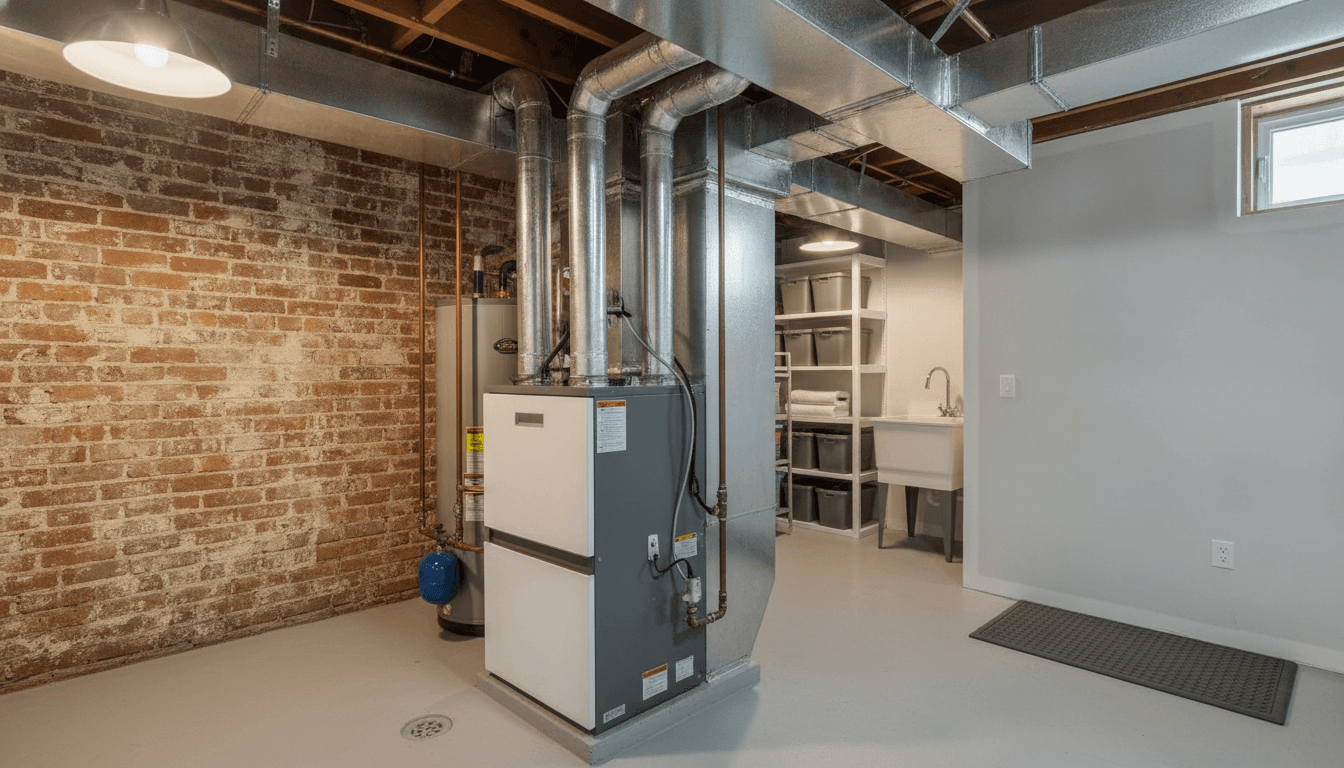
An 80 percent efficiency gas furnace costs $3,800 to $5,800 installed in the Albany area. These units vent through a metal flue, usually into an existing chimney, which keeps installation simple in homes already set up that way.
The case for standard efficiency is upfront cost and compatibility. If your chimney liner is in good shape and your budget is tight, an 80 percent unit gets reliable heat into the house for the least money this fall.
The tradeoff shows up on the gas bill across a long Albany winter. Twenty cents of every fuel dollar goes up the flue, which is why most installers now steer buyers toward condensing units unless the house makes that conversion awkward.
Standard units are also simpler to service, and every HVAC company in the Capital Region stocks parts for them. A repair a decade from now will be cheaper and faster than on an early condensing model.
High-Efficiency Condensing Furnaces
A condensing furnace at 95 to 97 percent efficiency runs $5,200 to $8,500 installed. The unit vents through PVC pipe out a sidewall instead of a chimney, and it produces condensate that needs a drain or a small pump.
Over a heating season that stretches from October into April, the fuel savings are real. A house burning $1,800 of gas each winter with an old 70 percent furnace can cut several hundred dollars a year with a condensing unit, and the savings compound over a 15 to 20 year lifespan.
Utility and state rebate programs for high-efficiency equipment come and go, and installers track the current offerings. Ask each bidder to list what applies to the model they are quoting, since the rebates can narrow the gap between the two furnace tiers.
New venting is the hidden cost to watch. Running PVC through a finished basement or a brick foundation adds labor, and abandoning the chimney may require capping or lining work.
Oil-to-Gas Conversions Are Still Common Here
Plenty of homes in Albany, Delmar, and Troy still heat with oil, and conversions remain a steady part of Capital Region HVAC work. A full oil-to-gas conversion typically runs $9,000 to $15,000, covering the new furnace, gas piping, chimney liner, and removal of the old equipment.
Tank removal is its own budget line. Pulling an above-ground basement tank costs $500 to $1,500, while a buried tank runs $1,500 to $3,000 or more if soil testing enters the picture.
The first question is whether a gas main reaches your street. The local gas utility can confirm service availability and quote the connection, and that answer decides the project before any furnace talk starts. Where gas is not available, a modern oil furnace or a heat pump becomes the comparison instead.
Existing radiators change the math as well. Steam and hot-water systems in Center Square rowhouses call for a boiler conversation instead, since a furnace quote only fits homes with ductwork.
Heat Pumps Are Gaining Ground in New York
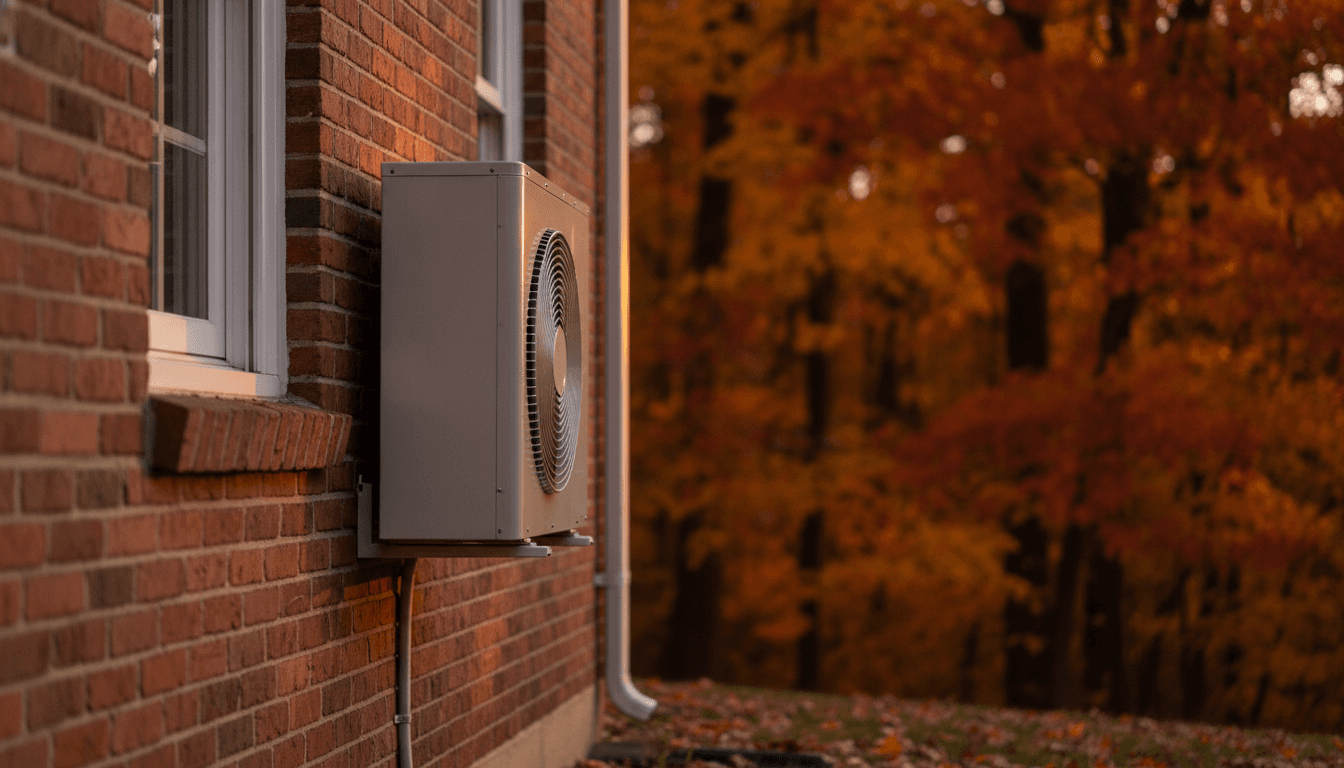
Cold-climate heat pumps have become a serious furnace alternative in the Capital Region, helped along by New York's push toward electrification. A ducted whole-home heat pump system runs $12,000 to $20,000 installed, with rebate programs for electric equipment softening the number for many buyers.
Modern cold-climate units hold their rated output well below zero, which covers the large majority of Albany winter hours. The remaining question is the deep-cold stretch each January, when temperatures can sit in the single digits for days.
Many local installers answer that with a dual-fuel setup: a heat pump carries the shoulder seasons and mild winter days, and a gas furnace takes over on the coldest nights. The combination costs more up front but hedges both electric and gas prices for the next two decades.
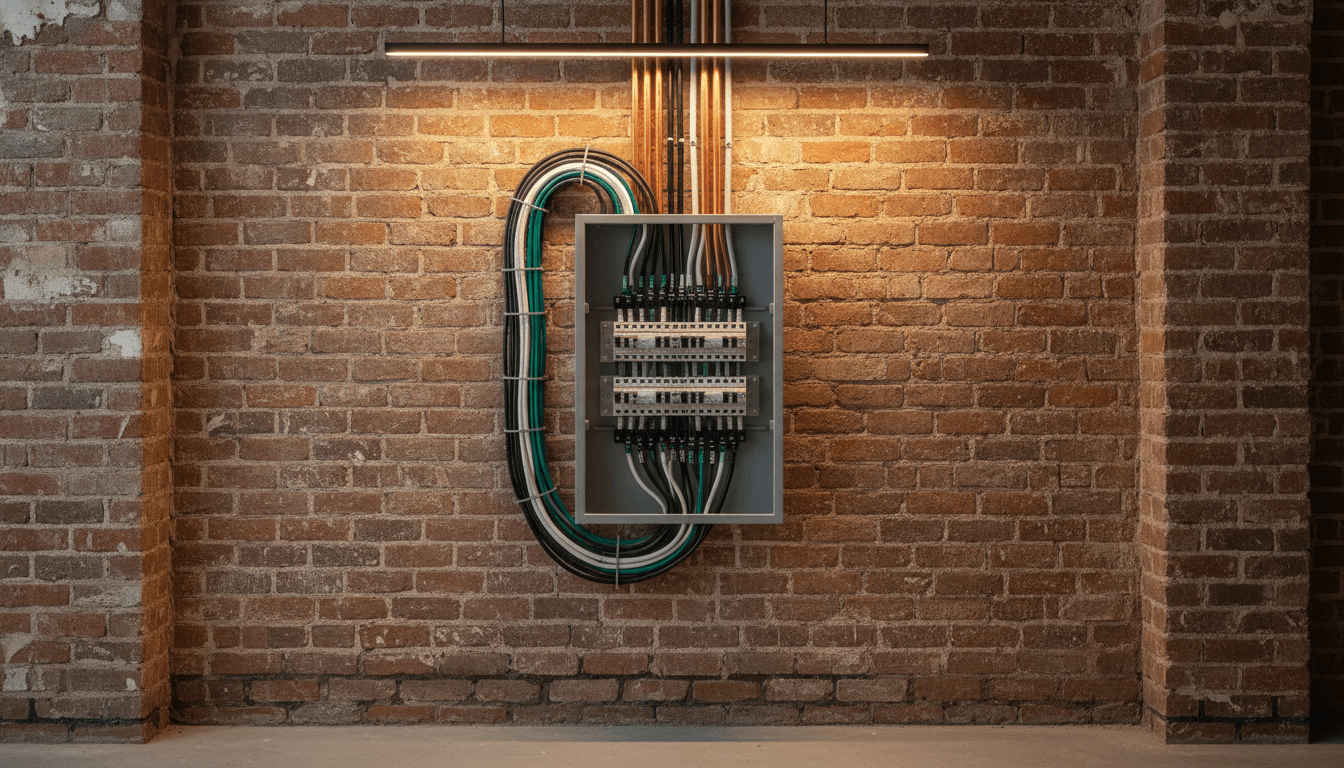
Electrical capacity is the pre-check for any heat pump quote. Older Albany homes with 100-amp service may need a panel upgrade of $1,800 to $3,000 before the system goes in, and that number belongs in the bid rather than arriving as a surprise.
Sizing and Ductwork in Older Albany Homes
A proper load calculation, not a label match, should set the size of the new unit. Contractors who simply copy the old furnace's rating often oversize it, and an oversized furnace short-cycles, wears early, and leaves rooms uneven.
The early-1900s homes in Pine Hills and Center Square bring ductwork surprises. Undersized returns, leaky joints, and runs buried in plaster walls are common, and duct corrections range from $1,000 for sealing and minor fixes to $4,000 for reworked trunks and returns.
Old duct insulation deserves a look before work begins. Some mid-century wraps contain asbestos, and abatement, when needed, adds cost and a specialty crew to the schedule. Better to learn that in September than during a January changeout.
Repair or Replace: Where the Line Sits
A useful rule: when a repair costs more than a third of replacement and the furnace is past 12 years old, put the money toward new equipment. An $800 control board on a 17-year-old unit is a bet against long odds.
A cracked heat exchanger settles the question immediately. That failure can push combustion gases toward living space, and no reputable Albany contractor will patch one, so the furnace is done the day it is diagnosed.
Repeated small repairs tell the same story more slowly. Two service calls in two winters on a unit past 15 years means the third call is coming, probably during the coldest week of January.
Permits, Removal, and Install Day
Furnace replacement requires a mechanical permit in Albany and most surrounding towns, and the contractor should pull it as part of the job. Permit costs of $50 to $150 belong in the quote, along with haul-away of the old unit.
Install day itself runs six to nine hours for a standard swap. The crew sets the new furnace, connects venting and gas, wires the thermostat, then runs a combustion test before leaving, and you should ask to see those test numbers.
Hold back final payment until the inspection passes. Reputable shops expect that arrangement, and it keeps everyone attentive through the last details.
Why Buying in September Beats Buying in January
HVAC companies in the Capital Region hit their slow stretch between the cooling season and the first cold snap, and that is exactly when quotes come back sharp. Crews have open days, equipment can be ordered rather than grabbed, and some shops discount fall installs to keep the calendar full.
A January failure removes every one of those advantages. Emergency labor rates apply, the choice narrows to in-stock units, and your family is cold while you decide, which is how homeowners end up overpaying for oversized equipment.
If your furnace is past 15 years old or needed repairs two winters running, get quotes now. Our listings of local HVAC contractors make it easy to line up three bidders, and the seasonal cost guides on our blog can help you budget the rest of the project.
Frequently Asked Questions
How long does a furnace replacement take in Albany?
A straight gas-to-gas swap takes one day. Oil-to-gas conversions run two to four days once the utility connection is in place, so start those in early fall at the latest.
How long should a furnace last in this climate?
Fifteen to 20 years is typical, though Albany's six-month heating season works equipment harder than milder markets. Annual service in September or October stretches the life of an aging unit.
Can a heat pump alone handle an Albany winter?
Cold-climate models rated to well below zero can, provided the system is sized to the house with a real load calculation. Many homeowners still pair one with a gas furnace as backup for the coldest January stretches.
Are rebates available for a new furnace or heat pump?
Yes, utility and state programs regularly offer incentives for high-efficiency furnaces and especially for heat pumps. Ask each installer to itemize current rebates in the quote, since offerings change year to year.