hvac
Heat Pump Installation Cost in Albany, NY: What Capital Region Homes Pay in 2026
Heat pump installation cost in Albany, NY runs $4,500 for single-zone ductless to $22,000 for whole-home ducted in 2026, before rebates cut thousands.
In This Article
- The Three Price Tiers, Unpacked
- Buy Cold-Climate Equipment or Do Not Bother
- Rebates and Credits Do Real Work in New York
- What Albany's Older Homes Add to the Quote
- What It Costs to Run Against Oil, Propane, and Gas
- Getting Quotes That Deserve Your Signature
- Phasing the Project When the Budget Says So
- Living With One: Noise, Snow, and Upkeep
- Albany Heat Pump Questions
Heat Pump Installation Cost in Albany, NY: What Capital Region Homes Pay in 2026
Heat pumps stopped being a warm-climate technology years ago, and Albany is now one of the busiest heat pump markets in the Northeast. Cold-climate models hold their output well below zero, and the state has stacked enough incentives on top that thousands of Capital Region homes have already made the switch from oil and propane.
Heat pump installation cost in Albany, NY breaks into three tiers in 2026. A single-zone ductless system runs $4,500 to $7,500 installed, a multi-zone ductless setup covering most of a house runs $9,000 to $16,000, and a whole-home ducted system replacing a furnace or boiler-based setup lands between $13,000 and $22,000 before incentives.
Those are pre-rebate numbers, and in New York the rebates are not decoration. Between utility programs and federal tax credits, many Albany projects come down by several thousand dollars, which is why quotes here should always be read twice: once at sticker, once at net.
The Three Price Tiers, Unpacked
Single-zone ductless is the entry point, pairing one outdoor unit with one indoor head. It suits a problem room, a finished attic in a Pine Hills two-story, or an addition, and the $4,500 to $7,500 range covers equipment, electrical work, and installation.
Multi-zone ductless scales that idea across a house with no ducts, which describes a lot of the boiler-heated housing in Albany, Troy, and Schenectady. Three to five indoor heads on one or two outdoor units typically runs $9,000 to $16,000 depending on line lengths and head count.
Ducted systems cost the most and disappear the best. If the house already has ductwork from a furnace or central air, a cold-climate ducted heat pump reuses it, and the $13,000 to $22,000 range depends mostly on capacity, duct condition, and whether backup heat is integrated.
Buy Cold-Climate Equipment or Do Not Bother
Albany's winter design conditions sit several degrees below zero, and standard heat pumps lose too much capacity there. Cold-climate rated units are built for this, holding strong output at -5 and continuing to produce heat well below -13.
The spec to ask about is capacity at 5 degrees, not the nameplate number measured at 47. A properly selected cold-climate unit carries most Albany winters alone, with backup heat covering only the deepest cold snaps.
Backup strategy is a design choice, and there are two sane versions here. Electric resistance backup is cheap to install and expensive to run for the few days it operates, while dual-fuel setups keep an existing gas furnace as the below-zero backstop.
Rebates and Credits Do Real Work in New York
New York's Clean Heat program pays rebates through the utilities, and National Grid delivers them in the Albany area based on the heating load the heat pump takes over. Whole-home conversions earn the largest amounts, and participating contractors apply the rebate directly to the invoice.
Federal tax credits add up to $2,000 for qualifying heat pump installations, and income-qualified households can access deeper state assistance on top. Stacked together, it is common to see an Albany project's net cost land 20 to 35 percent below sticker.
One practical note: the utility rebates flow through contractors enrolled in the program. Choosing an installer who participates is worth real money, and it is one of the first questions to ask when collecting bids.
What Albany's Older Homes Add to the Quote
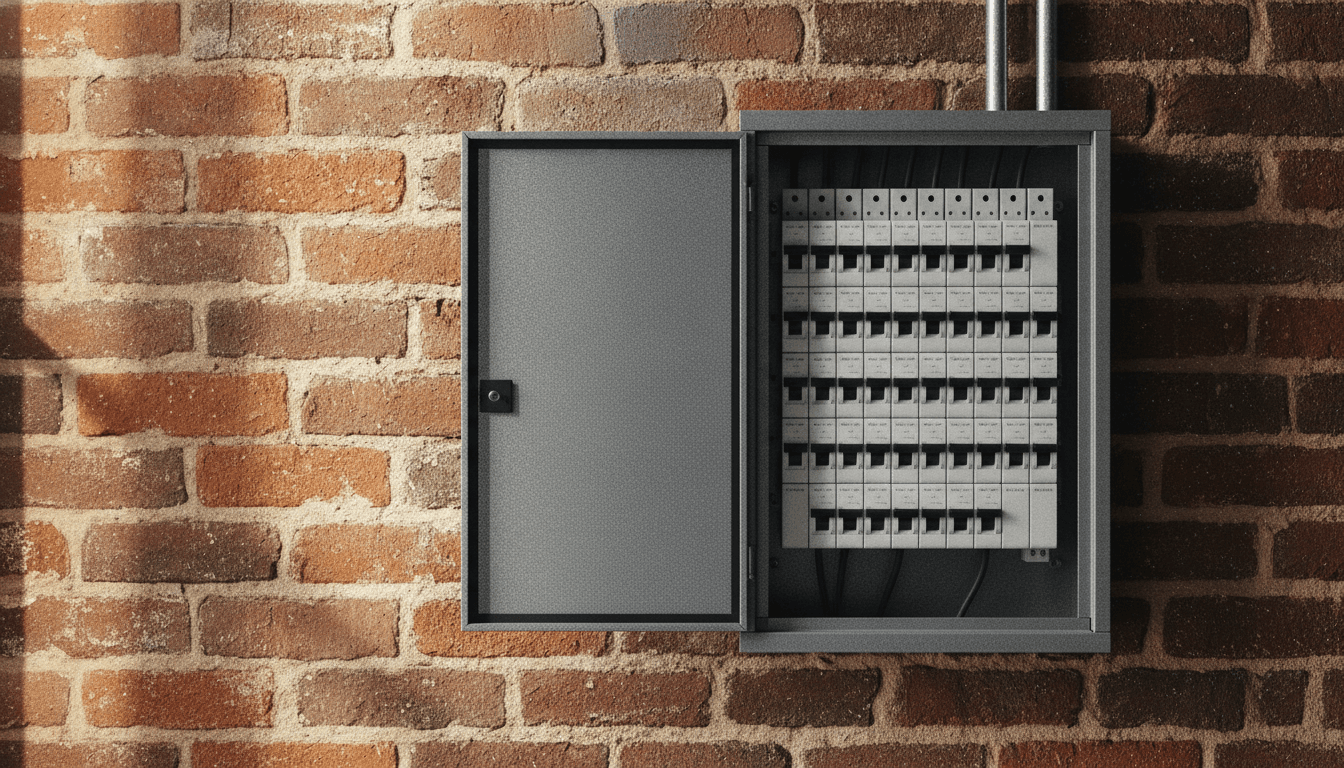
The Capital Region's homes skew old, and old houses add line items. Knob-and-tube era electrical services often need a panel upgrade to host a whole-home heat pump, which adds $1,500 to $3,500 when required.
Insulation comes before equipment in any smart plan. A drafty 1920s two-story in the Helderberg foothills can need a third more heating capacity than the same square footage sealed and insulated, and right-sizing after air sealing buys a smaller, cheaper system that runs better.
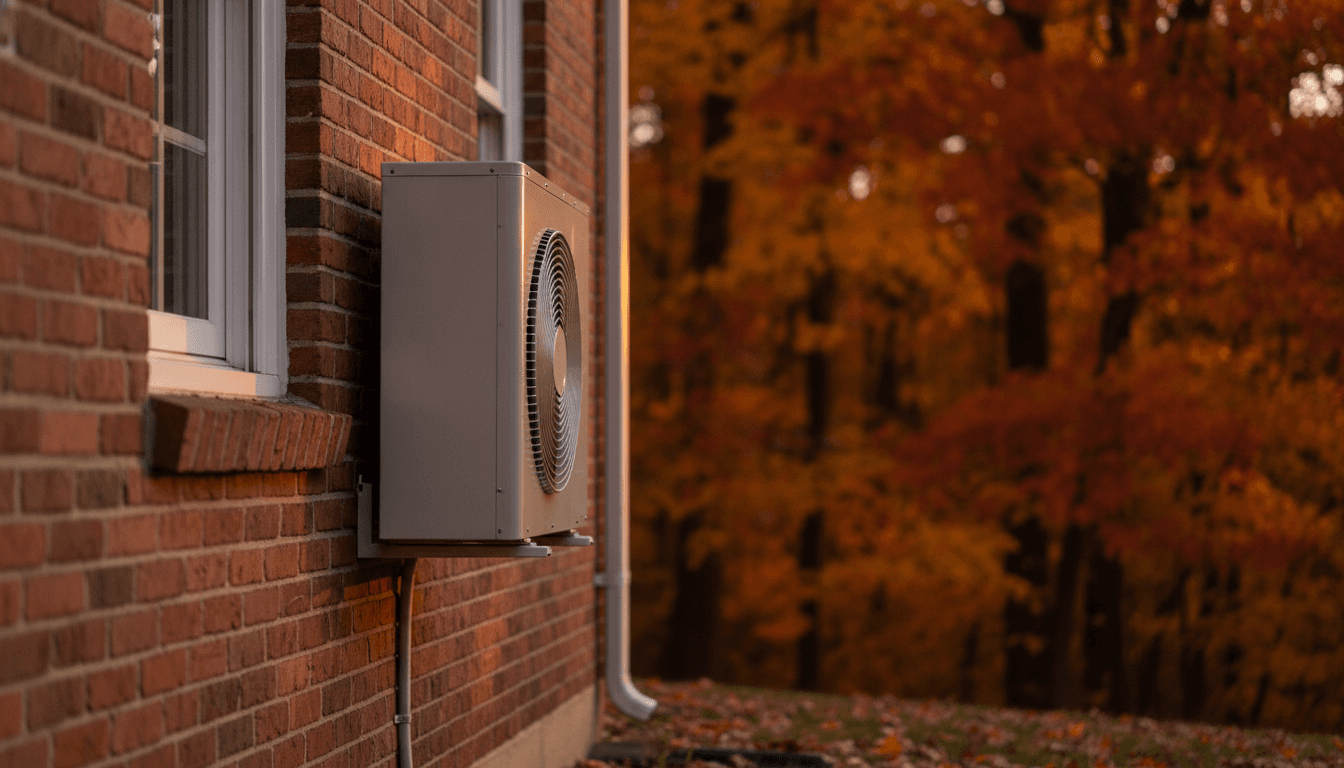
Outdoor unit placement matters more here than in mild climates. Units need clearance above expected snow depth, usually on risers or wall brackets, and thoughtful placement away from roof avalanche zones and bedroom windows is part of a quality install.
What It Costs to Run Against Oil, Propane, and Gas
Households heating with fuel oil or propane see the biggest wins, and that describes a large share of the towns around Albany, from Guilderland out through the hilltowns. A cold-climate heat pump typically cuts annual heating costs meaningfully against either fuel while adding air conditioning in the same box.
Against Albany's natural gas prices the operating math is closer to even, which is why gas-heated homes often choose dual fuel. The heat pump runs most of the season, the furnace takes the coldest stretches, and the homeowner gets efficient cooling in July out of the same investment.
Electric resistance heat, baseboards included, loses to a heat pump by a wide margin. For the region's all-electric homes, the conversion pays back faster than almost any other upgrade available.
Getting Quotes That Deserve Your Signature
A serious Albany installer performs a room-by-room load calculation rather than sizing by square footage folklore, and puts equipment model numbers, capacity at 5 degrees, electrical scope, and rebate handling in writing. Two or three bids built that way can differ by thousands, and the differences will be visible instead of hidden.
Ask each bidder about their cold-climate install track record, who files the rebate paperwork, and what the labor warranty covers beyond the manufacturer's parts coverage. Our HVAC contractor directory lists companies serving the Capital Region if you need a place to start collecting names.
Winter-proof scheduling is the last consideration. Heat pump installs happen year-round, but replacing a dying furnace with a heat pump in January leaves no margin for delays, so homeowners planning a conversion get better pricing and calmer timelines booking in spring or fall. More Capital Region cost guides live on our home improvement blog as you plan the rest of the project.
Phasing the Project When the Budget Says So
Nobody has to electrify a whole house in one contract. A common Capital Region path starts with a single-zone ductless unit in the most-used room, which delivers summer cooling immediately and takes a bite out of the winter fuel bill.
The second phase adds zones or converts the main system when the furnace or boiler reaches retirement age. Replacing dying fossil equipment with a heat pump on your own schedule beats an emergency swap in January, and rebate programs reward whole-home conversions more generously anyway.
Panel and wiring questions belong in phase one planning even when the work happens later. An electrician's assessment costs little, and knowing whether the existing service can host the end-state system prevents redesigns two years in.
Weatherization can slot in anywhere and pays off everywhere. Air sealing and attic insulation shrink the equipment the house eventually needs, and New York's efficiency programs subsidize much of that work.
Living With One: Noise, Snow, and Upkeep
Modern cold-climate units run quieter than most people expect, at conversation volume a few feet away and well below an older air conditioning condenser. Placement still matters, so keep outdoor units off bedroom walls and away from a neighbor's patio, and know that the whoosh of a winter defrost cycle is normal rather than a defect.
Maintenance is light but real. Indoor filters want cleaning every month or two during heating season, outdoor coils want a spring rinse, and an annual professional check at $150 to $300 keeps refrigerant charge and drainage where they belong.
Snow management is the one homeowner habit that matters most in Albany. Keep the outdoor unit clear after storms, never let a roof slide bury it, and the riser stand your installer specified will handle the rest.
Keep spare filters on hand through the heating season, since a clogged filter is the most common cause of weak performance. It is also the cheapest problem a heat pump can have, which makes it the first thing to check before calling anyone.
Albany Heat Pump Questions
How much does a ductless mini split cost in Albany?
A single-zone system runs $4,500 to $7,500 installed in 2026, and each additional indoor head adds roughly $2,500 to $4,000. Multi-zone systems covering a whole house commonly total $9,000 to $16,000 before rebates.
Do heat pumps work in Albany winters?
Cold-climate models do, holding useful capacity below -13 degrees, and they carry most local winters without help. Good designs still include backup heat for extreme cold snaps, either electric or an existing furnace.
What rebates are available for heat pumps in Albany?
New York's Clean Heat program pays utility rebates through participating contractors, with the largest amounts going to whole-home conversions, and federal tax credits add up to $2,000 more. Income-qualified programs can push the net cost down further.
Is it worth replacing an oil furnace with a heat pump?
Usually yes, and oil-heated homes see the fastest payback in the region. Between fuel savings, added cooling, and incentive money, many conversions recover their net cost within 5 to 8 years.
How long does installation take?
A single-zone ductless job is typically one day, multi-zone systems take two to three, and full ducted conversions with electrical work run three to five. Rebate paperwork adds no site time when the contractor handles it.